Interview with AGRO TV
Qn1. Mr. Ambassador, Rwanda has demonstrated steady growth over the past decade. Today, agriculture accounts for one-quarter of your economy. How would you describe the agricultural landscape of Rwanda? What kind of transformation has the sector undergone in recent years?
Agriculture remains the cornerstone of Rwanda’s economy employing 40% of the workforce and contribution 27% to GDP. The sector has undergone significant transformation over the last two decades. This is characterized by among others, crop diversification beyond traditional cash crops like coffee and tea, to include high-value commodities such as vegetables, fruits and a variety of food crops such as potatoes, beans, maize, soybeans, rice, cassava and bananas. In addition, there has been promotion of sustainable farming practices such as organic composting, minimum tillage, and mulching which has resulted in higher yields. More initiatives include improving irrigation infrastructure and enhancing farmer support.
Qn2. Which agricultural products are most commonly produced in Rwanda? Is production more dependent on manual labor or technology?
Rwanda produces export crops such as coffee, tea and Horticulture products like French beans, peas, baby corn, chili and mushrooms. Rwanda also exports live animals, meat and dairy products to neighboring countries of EAC.
Coffee, Tea and vegetables remain the most important cash crops while plantains, cassava, potatoes, maize, potatoes and beans are the most productive crops. Rwanda exports these other products including Maize and Cassava flour within the East African market. Production in Rwanda is labor intensive but gradually becoming a mix. For example, many smallholder farmers in Rwanda rely on traditional farming methods using hand held tools like hoes. However, the government has been promoting agricultural mechanization to increase productivity and efficiency. Tractors and other machinery are being used for tasks like and preparation, planting and harvesting crops like maize.
Qn3. What types of support does the government provide to farmers? What are the main policies in place to stand by producers?
The government regularly facilitates farmers with agricultural inputs including subsidies on fertilizers, seeds and other inputs to make them more accessible and affordable for farmers. Market access, crop insurance, livestock support such as access to veterinary services and agriculture research. The government invests in irrigation infrastructure to support crop production, especially for crops like rice and vegetables. Extension agents provide training and advisory services to farmers on best practices, new technologies and crop management.
Qn4. What is the age demographic of farmers in Rwanda? How would you describe the role and impact of women in agricultural production?
The age of farmers in Rwanda falls in the category of young adults. Women play a vital role in Rwanda’s agricultural sector contributing significantly to food production processing and household food security. Women make up the large portion of agriculture labor, often decide which crops to plant and are increasingly taking on leadership roles in farm management.
Qn5. What steps is Rwanda taking towards sustainable agriculture and combating climate change? What are the country’s priorities in this field?
Rwanda’s priorities towards sustainable agriculture and climate change aim to build resilient and sustainable agri-food systems. They include enhancing food security and nutrition, building climate-resilient agricultural systems, promoting practices like using drought-resistant seeds, training farmers in climate-smart practices among others.
Qn6. Are the current agricultural lands sufficient to meet Rwanda’s needs? Are there any initiatives focused on organic farming? How is the livestock sector evolving?
Rwanda is significantly constrained in agricultural land needs. With only 1.4 million hectares against the background of land fragmentation practices and an increasing population. These are being addressed nevertheless with governments adoption of strategies to increase production through crop intensification programs such as organic farming. In addition, government promotes land use and management practices aimed to reduce land degradation and environmental impacts.
Qn7. Rwanda celebrates “National Harvest Day.” Could you share the significance of this special day for your country?
The National Harvest Day is traditional practice in Rwanda which aims to promote unity and self-reliance. It is one of the old traditional institutions, a major innovation by our forefathers. It was reintroduced following the overthrow of the genocide government in 1994 with the first ceremony occurring in 2012. During the ceremony, Rwandans and friends of Rwanda come together to share food and enjoy traditional cultural performances. The National Harvest Day in the diaspora is also an opportunity to brand out country, and to promote business and cultural diplomacy.
Qn8. What opportunities does Rwanda offer for Turkish investors or agricultural companies? Are there any joint projects currently underway between Rwanda and Türkiye?
There are no current joint agricultural projects between Rwanda and Turkiye but opportunities exist in crop cultivation, livestock farming, agro-processing, mechanization, and cold-chain logistics. Specific opportunities include investments in agriculture research, supply of agriculture tools/ inputs and construction of agricultural infrastructure.
Qn9. What are Rwanda’s goals for the agricultural sector over the next 5 to 10 years? Is Rwanda open to academic or technical cooperation with Türkiye?
Rwanda’s agriculture goals converge around transforming the sector to achieve sustainable growth, food security and economic development. They consist to boost productivity by over 50% through improved access to fertilizers, seeds and animal breeds. Second, to expand irrigation in order to enhance crop yields and reduce dependence on rain fed agriculture. Thirdly, to promote market-oriented agriculture, by focusing on commercializing agriculture, increasing exports, and promoting agro-processing industries.
In order to achieve the above, Rwanda is remains open to cooperate with Turkiye in the field of academic and technical cooperation. Turkiye provides opportunities for our youths to study in academic centers and research institutions including agricultural-sciences. Technical cooperation would guarantee Rwanda’s access to technology and know-how.
Qn.10. What does agriculture mean to the Rwandan people? If you had to describe it in just a few words, what would they be?
Agriculture to Rwandan people means food, livelihood, survival. It is a source of sustenance, employment, and economic stability for families and people in general.
Qn11. Lastly, do you have a message you would like to share with Turkish farmers and the agricultural sector in Türkiye?
I would like to congratulate Turkish farmers for working hard. This is evident in the technical level and scale of production the country currently enjoys. The agricultural sector has advanced in the area of agriculture modernization and industrialization. I am eager to continue enhancing tangible cooperation between Turkiye and Rwanda.

Kagame announces 10-year Formula One Grand Prix deal
ınterview with TRT Afrika at the Antalya Diplomacy Forum

Ruanda Dışişleri Bakanı Nduhungirehe'den, ülkesindeki Türk şirketlerinin altyapı yatırımlarına övgü
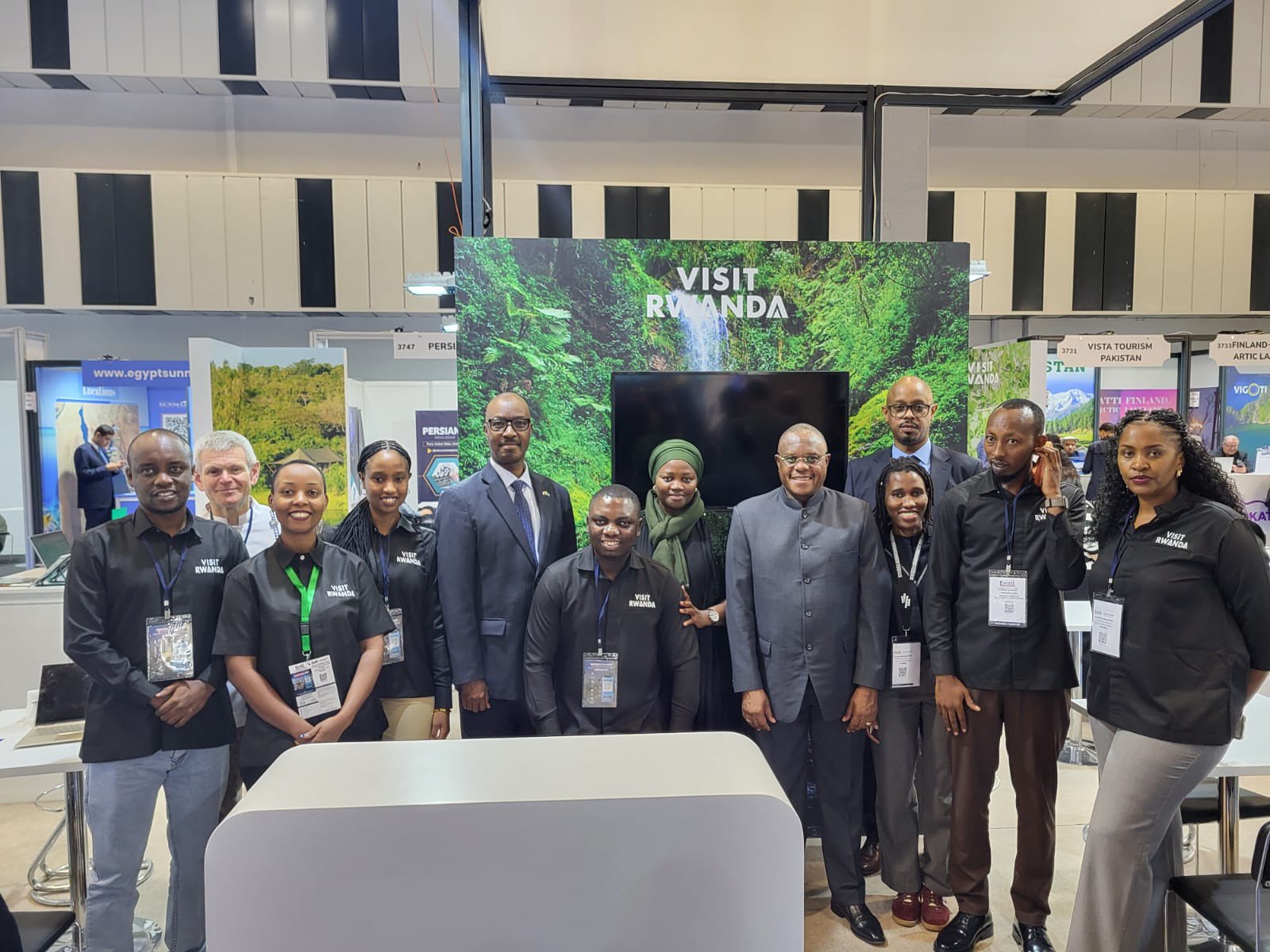
How Türkiye is helping Rwanda court the Mediterranean's 300 million tourists
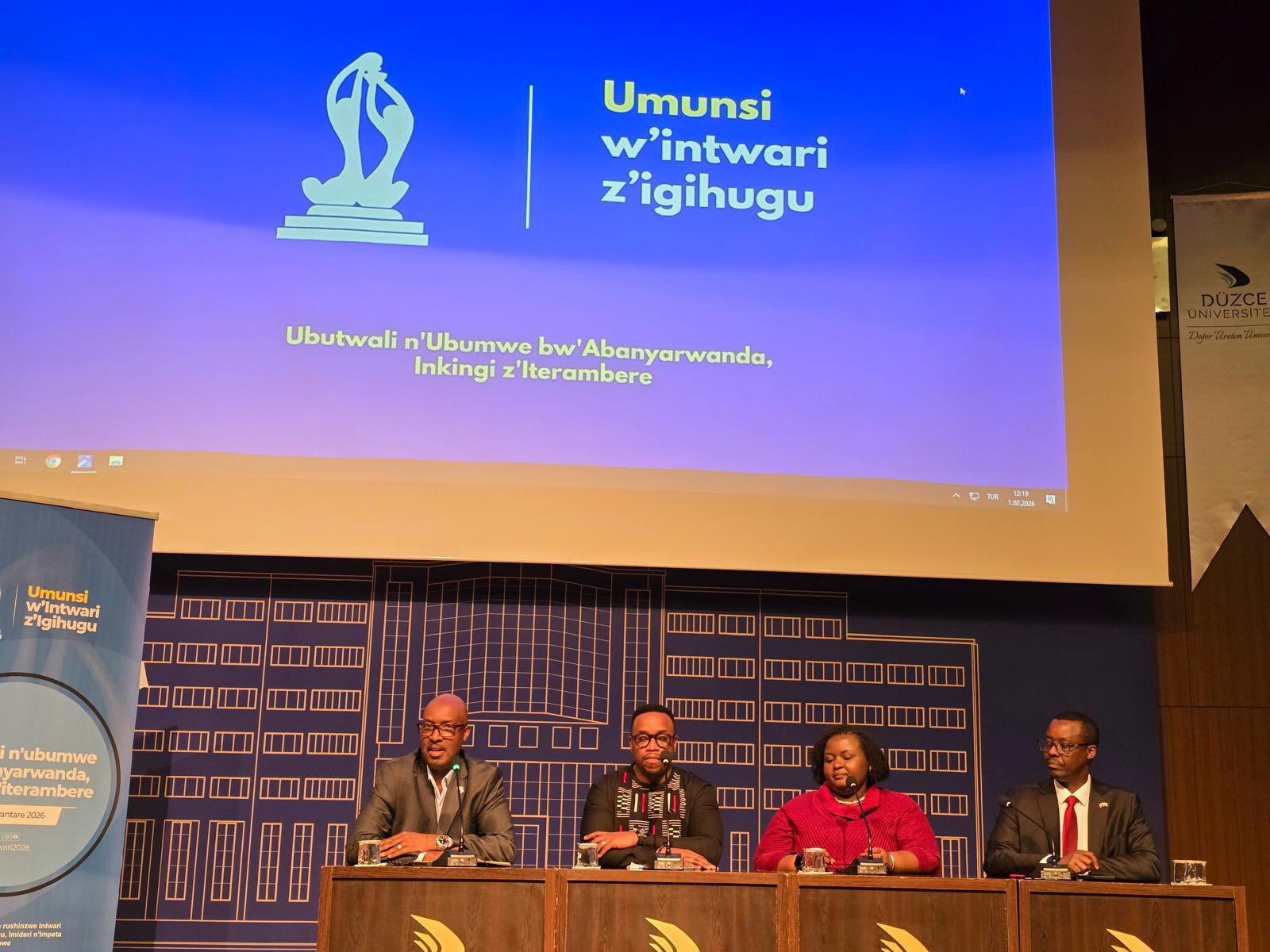
Rwanda in Türkiye and RCA-Türkiye held National Heroes Day at Düzce University,
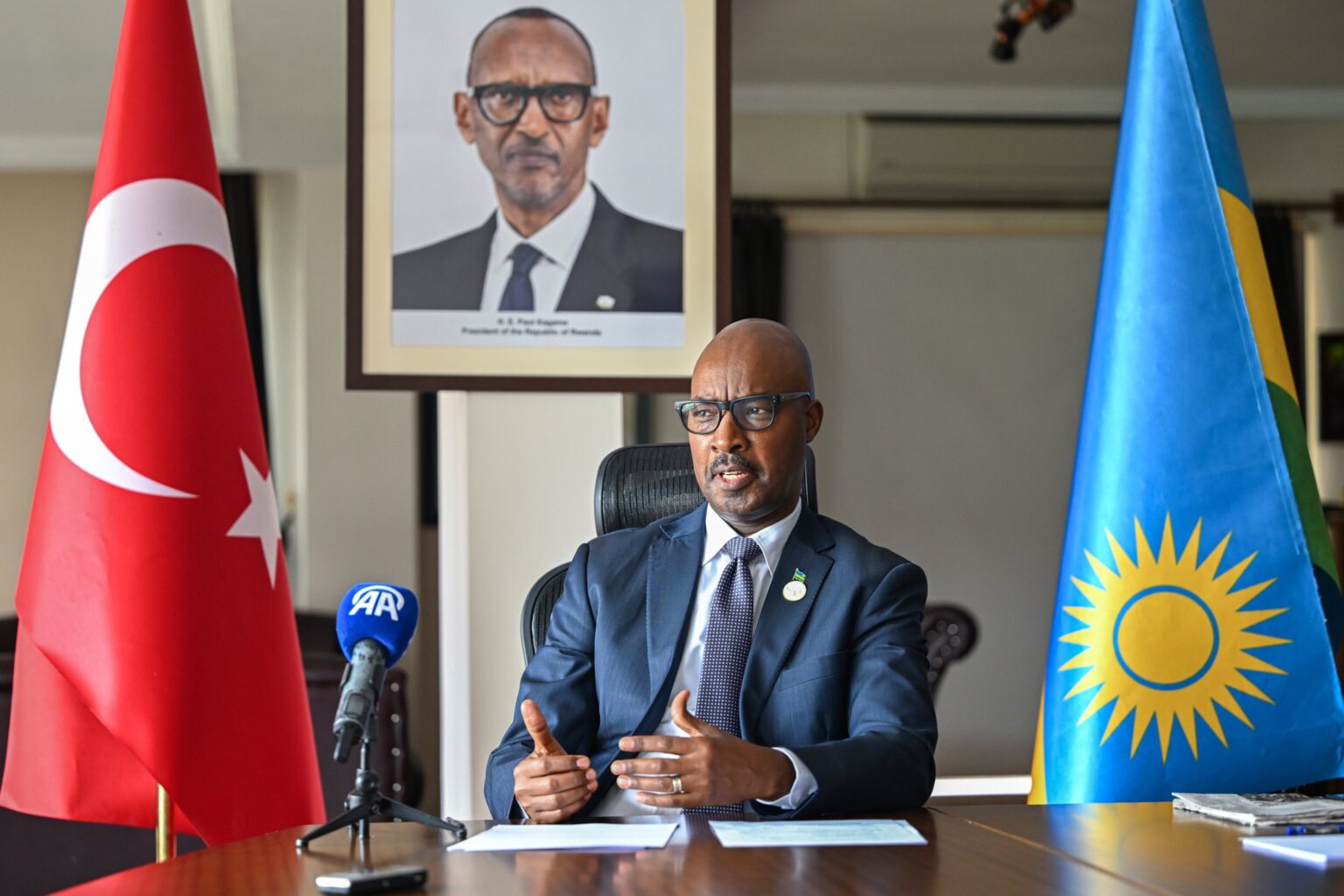
The Cost of Loving One’s Country: Ambassador Charles Kayonga Reflects on Rwanda’s Journey of Sacrifice and Triumph
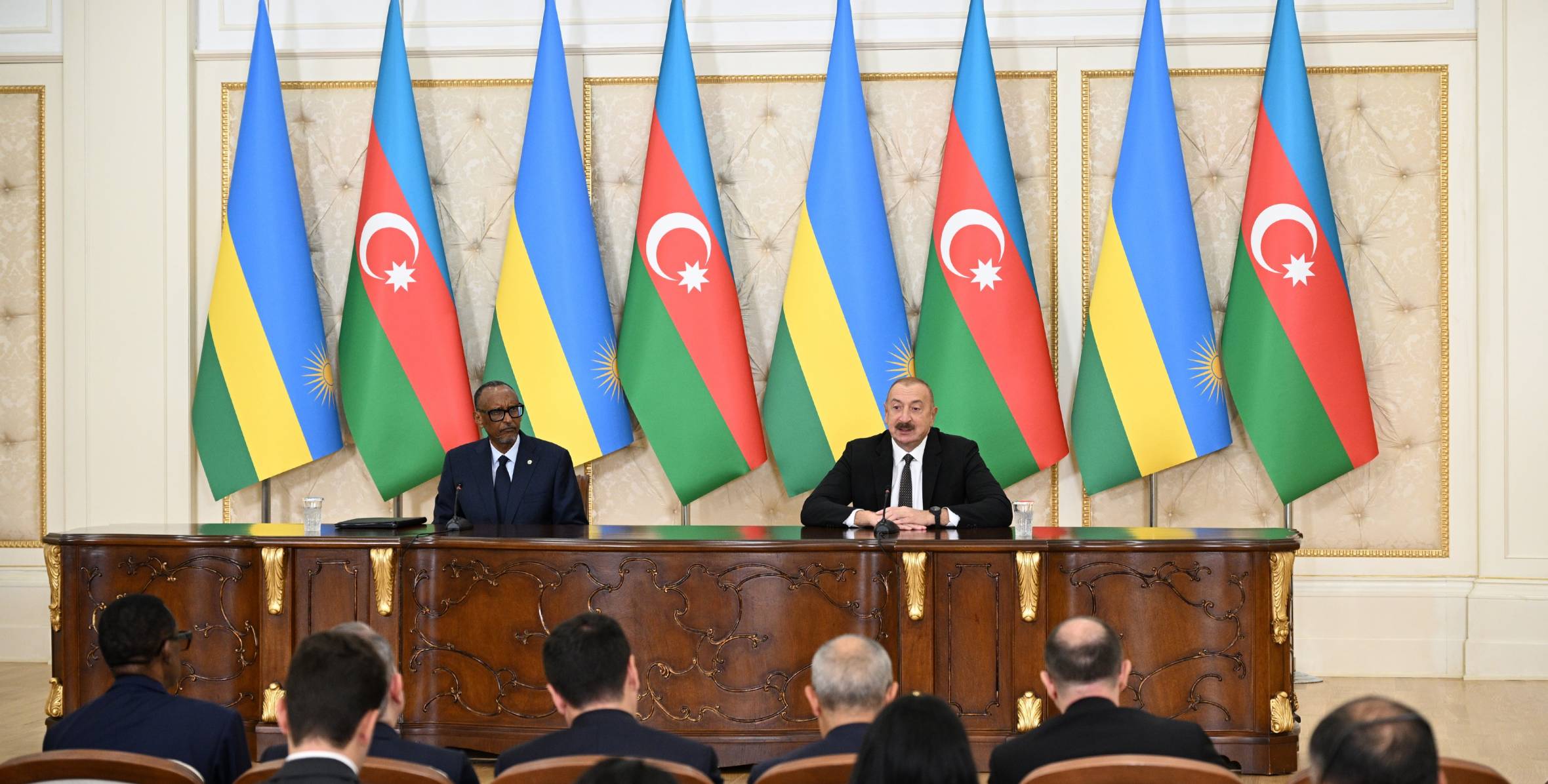
Kagame, Azerbaijan president to witness signing of key agreements
Interview with AGRO TV